We Are Still Capable of Being a Better Community
Bondi Pavilion today felt like a meeting place of the world.
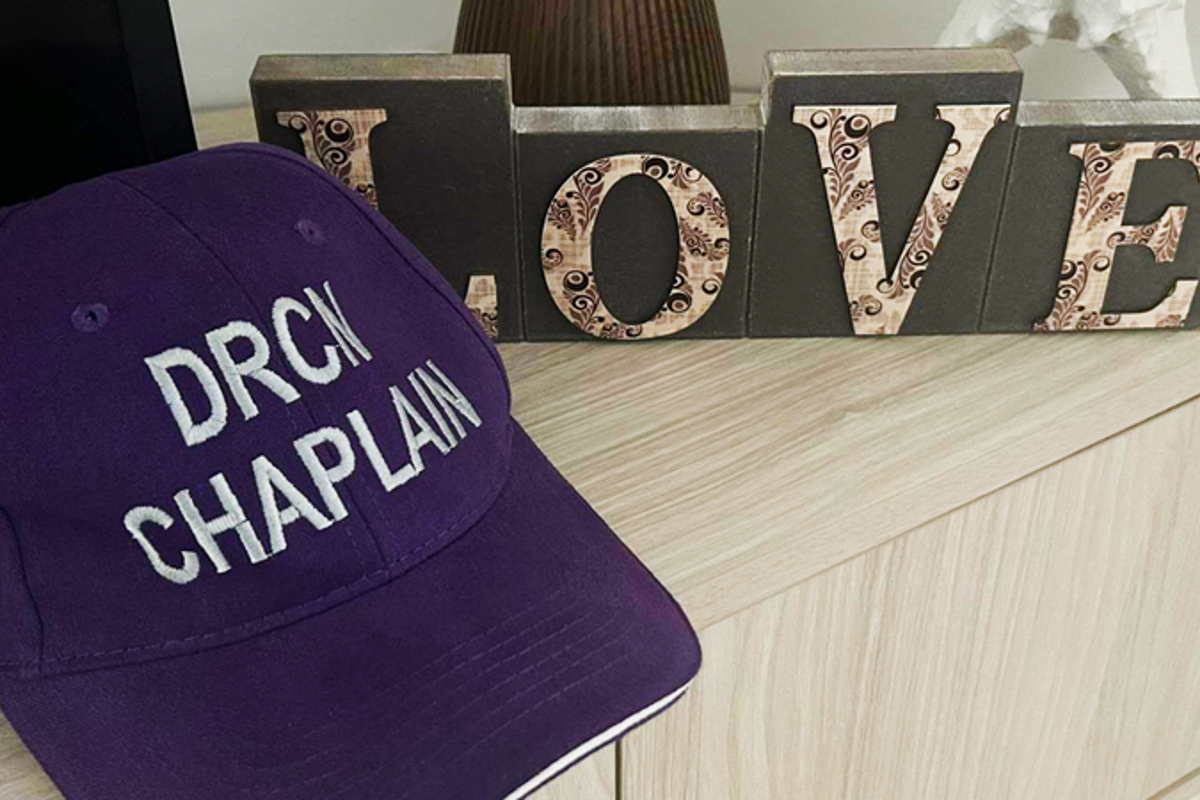
Today (Monday 19 January) I spent the day at the Bondi Pavilion serving as a Disaster Recovery Chaplain. I arrived thinking I was there to offer support, a listening ear, maybe a few steady words. I left realising—again—that I was the one being ministered to.
Bondi Pavilion today felt like a meeting place of the world. Not a conference. Not a rally. Something quieter and deeper. People from different countries, cultures, faiths, and stories crossed the same space, drawn together not by agreement, but by shared humanity. By grief for our world as it is. By a longing for comfort. By the stubborn, hopeful belief that love still matters.
What struck me most was how little people needed fixing. What they needed was permission to speak, to remember, to feel. To honour what has been lost and what still aches.
I met a woman from the UK who spoke gently, almost casually, about prejudice. Her father was Jamaican—the only Black man in their neighbourhood. “It was tough,” she said, without bitterness. “But we had one another. And great food.” She laughed. Not to minimise the pain, but to honour the resilience. Love, family, shared meals… sometimes that’s how survival looks. Ordinary. Sacred. Defiant.
A family from Portugal stood quietly for a long time. They didn’t rush. They wanted to honour the people we have lost properly. They spoke about community, about contributing, about making donations not as charity but as responsibility. “This matters,” they said. And it did. Their presence said that grief doesn’t belong only to those directly affected, it belongs to all of us who choose to care.
A couple from Ohio, American Jewish, told me they had changed their travel plans just to be there. They wanted to leave a message of love. No speeches. No explanations. Just love, placed carefully into a space that needed it. That choice, altering plans, showing upfelt like a quiet act of resistance against apathy.
A family from Canada stopped so their children could listen. They wanted their boys to hear the stories, to understand what had happened, to learn so they would grow into better men. That stayed with me. Teaching children not just history, but empathy. Not just facts, but responsibility.
I met a couple from New York, veterans of the NYPD. They were present on 9/11. That kind of memory lives in the body, not just the mind. They moved slowly through the Pavilion, taking time to thank every volunteer at the Recovery Centre. Every one. Their gratitude was deliberate, practiced, almost liturgical. They knew what it costs to show up in moments like this, and they honoured it.
And then there was the bus from the local Jewish nursing home. Dozens of people arrived together, carrying decades of stories, memories, losses. Some had lost friends. Some carried past events that still echo painfully in the present. And yet—hope. Resilience. Messages that were tender, strong, unashamed. They reminded me that survival is not just about endurance, but about choosing meaning again and again.
Throughout the day, I watched strangers comfort one another. I watched volunteers being honoured, thanked, seen. I watched grief shared instead of hidden. Pain held instead of avoided. No one asked what religion you were. No one checked your politics or passport. We met as people.
I am deeply touched by this shared experience. Not because it was perfect or resolved—far from it. But because it was honest. Because it reminded me that community is not something we talk about; it’s something we practice, often imperfectly, in moments like these.
I don’t feel like this reflection is finished. Maybe it never will be. Some days don’t wrap themselves up neatly. They stay open, asking something of us.
But tonight, I am grateful. Grateful for conversations that mattered. For stories entrusted. For the quiet courage of people who showed up carrying grief and still chose love.
If today taught me anything, it’s this: we are still capable of being a better community. Not through slogans or certainty, but through presence, grace, and the simple, ever present call to love one another.
Throughout the day, I watched strangers comfort one another. I watched volunteers being honoured, thanked, seen. I watched grief shared instead of hidden. Pain held instead of avoided. No one asked what religion you were. No one checked your politics or passport. We met as people.