“No One Wants to Be Saved. Everybody Wants to Belong”
Bec Reidy does not think of herself as a good person. She will tell you that fairly early in a conversation, and she means it. "Doing what I do helps me sleep better at night," she says. "It's just as much for me as it is for anybody else."
Bec Reidy does not think of herself as a good person. She will tell you that fairly early in a conversation, and she means it. "Doing what I do helps me sleep better at night," she says. "It's just as much for me as it is for anybody else."
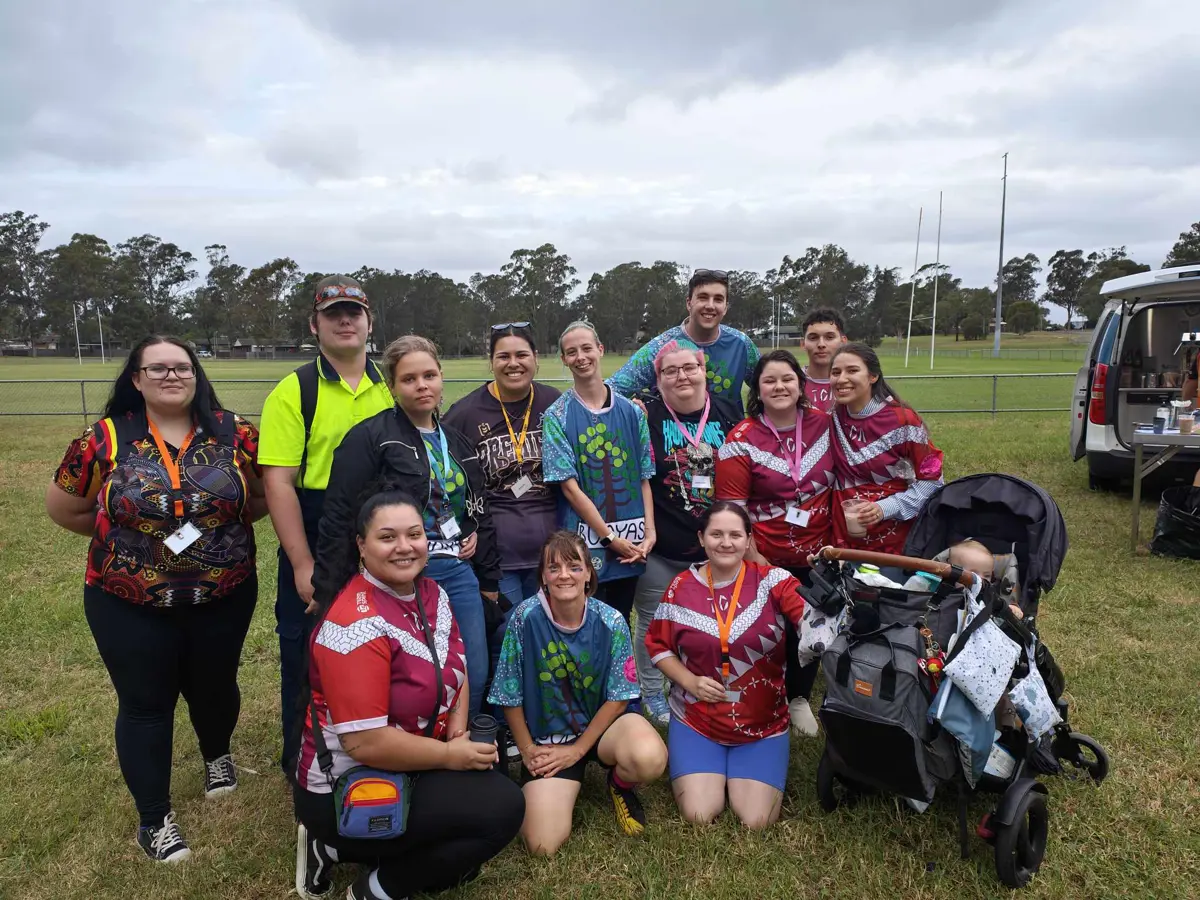
That kind of honesty is a good introduction to Bec, a community development worker who has spent the past decade at Bidwill Uniting, a small ministry in Mount Druitt, Western Sydney. She is not interested in being held up as an example, and she is deeply uncomfortable with the idea that working for justice belongs to a certain kind of person. "Working for a better world is just as selfish as it is selfless," she says. "I just would love people to get on board with that and not outsource the good work."
Her instinct to walk alongside rather than rescue did not arrive fully formed. It grew out of a childhood shaped by her family's involvement in short-term foster care. From a young age, Bec understood something that takes many people much longer to learn. "I had this really profound understanding that lots of people don't get a good start in life," she says, "and so the problems that people end up having are not of their own making."
She grew up in a fundamentalist church, an environment she describes as damaging in some ways, but one that gave her a lasting sense of social justice. She found her own theology in the stories of Jesus, particularly the moment he sat down, made a whip, and drove the money lenders from the temple. "He didn't just lose it," she says. "He really thought about, 'this system is really unjust, and I'm going to actually sit down and make a whip.'" That image of deliberate, thoughtful action against injustice has stayed with her.
Her early working life was spent in refuges and group homes. It was necessary work, but she began to feel its limits. People were surviving, but the systems keeping them in poverty were not changing. When a community development role came up, she took it, and it opened a new world. She started to see a pattern she could not unsee. "There's a lot of good people in the church," she says, "but there's a real saviour kind of model where the church wants to be the good people that save the poor people. And I've come to believe that that actually exacerbates and reinforces the power dynamics that keep people in poverty."
That conviction sits at the heart of everything Bidwill Uniting does. The centre runs a drop-in space, an art class, family programmes, a leadership programme through the Together in 2770 Collective. But the programmes are not the point. "The biggest and most profound thing that I've learned," Bec says, "is that no one wants to be saved. No one. Everybody wants to belong, and everybody wants to contribute, and everybody wants to be the person who makes decisions in their own lives."
Earning trust took years. Bec is straightforward about what it required. Consistency, yes, but also a willingness to share of herself. She also apologises, often, and for real. "Sometimes the small things, and sometimes I make big mistakes and I really have to apologise," she says. "I hope that just helps people understand that I'm just a human who muddles along like everybody else."
The moments that matter to her tend to be quiet ones. A woman she had known for years, who had come through real difficulty, went on to study, rebuilt her confidence, and watched her daughter go on to university. She once told Bec that it all started at Bidwill. "I think that's really profound," Bec says, "just having a place." There are parents who once felt completely powerless now sitting on advisory committees, speaking into housing and transport policy, telling decision-makers plainly what will and will not work. "To go from feeling powerless to feeling like I can have a say," she says, "it's a huge shift. And it's not just a shift for them. It's a shift for their kids. And it's a shift for the community."
She does not have a five-year plan. She is partway through an MBA specialising in social impact, and she has come to understand that she is someone who does her best in the situation she is in and lets things emerge. Recently she was recognised with an award for her work, something that made her deeply uncomfortable. "I'm just a person doing what I think is right," she says. "And at the end of the day, that's what we all should be doing."
What she is most excited about is what she will not be there to see. "I'm very excited about what will happen after I'm gone," she says, "to see what this place might look like in 10, 20 years. And knowing that I was a small part of that, it's good. It's really good."
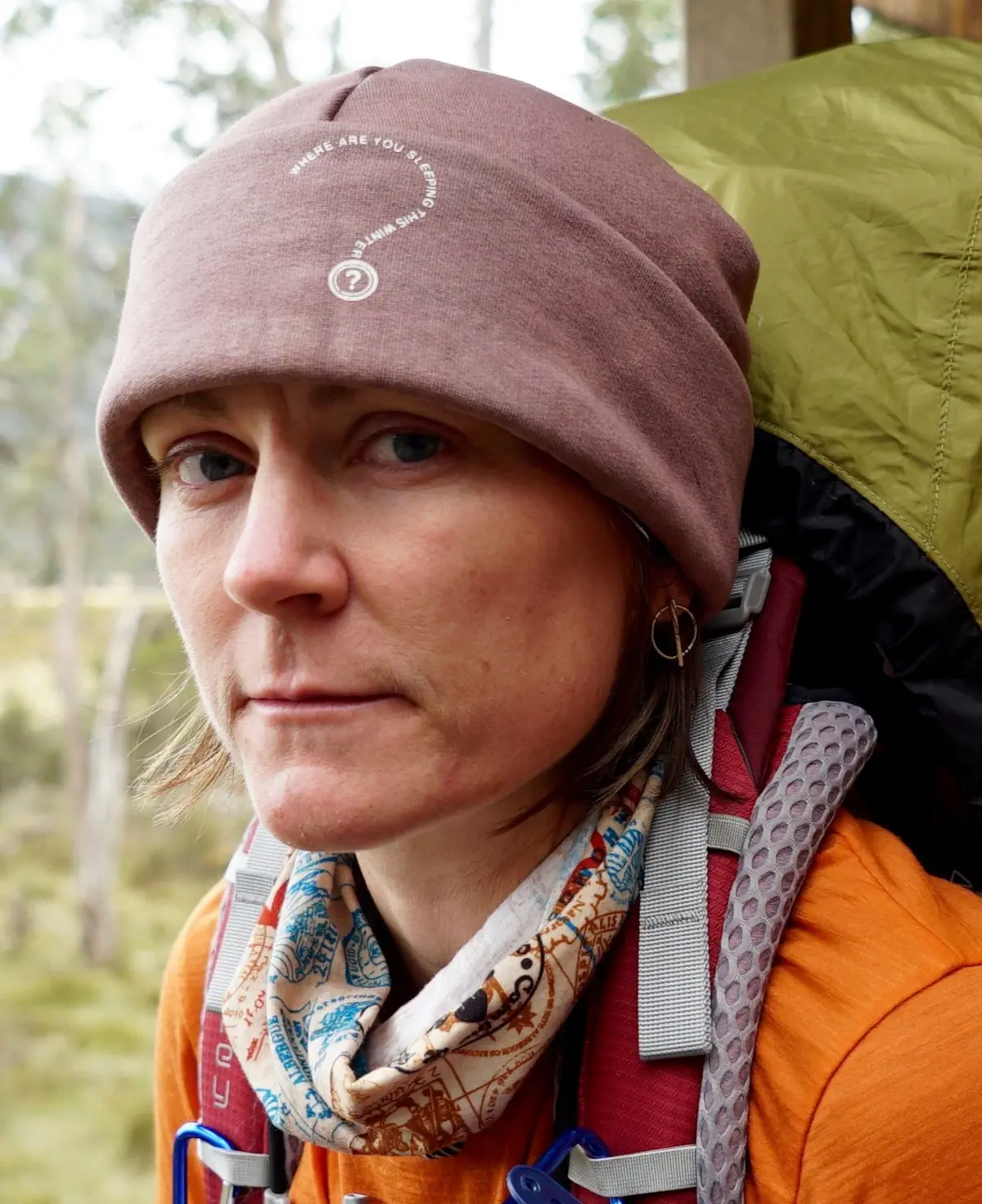
Meet Bec Reidy