Mudgee and Rylestone: Building Community and Planning for the Future
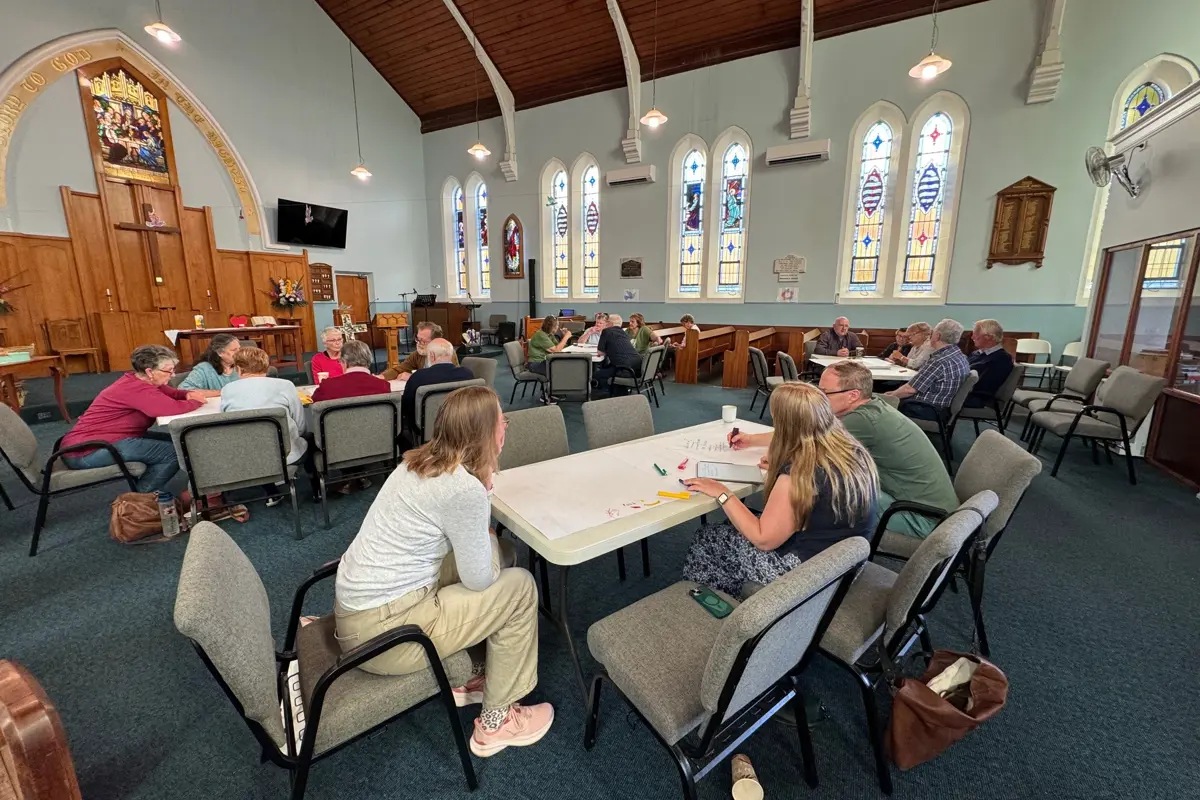
The Cudgegong Cluster gathered on 22 November in Mudgee Uniting Church for a retreat that brought leaders, and members together to clarify their mission, reflect on their identity, and prepare for a future shaped by significant structural change across the Uniting Church.
The Cudgegong Cluster -- which is made up of Mudgee and Rylestone Uniting Churches -- gathered on 22 November in Mudgee Uniting Church for a retreat that brought leaders, and members together to clarify their mission, reflect on their identity, and prepare for a future shaped by significant structural change across the Uniting Church. With the move from twelve presbyteries to three planned for June 2026, the Cluster used this time to consider what it means to call a new minister and how to shape a role that reflects both their values and the realities of ministry in a rural region.
The retreat, facilitated by Joanna Drayton, Team Leader of Pulse, began with a close look at the regulations that define what a congregation is, who belongs to it, and how it lives out its purpose. Participants revisited the role of adherents, the responsibility of members, and the statement in the Basis of Union that the church is called to live “in the world.”
This raised practical questions about how each community understands its presence in Rylestone and Mudgee, and what it means to welcome, include, and stand alongside people in daily life.
One of the strongest threads of the day was the Cluster’s commitment to inclusion. Leaders repeatedly named welcome, acceptance, and community as central to their identity. They spoke about hospitality that is not surface-level but grounded in genuine belonging. “I personally value the welcome that we endeavor to give everybody that walks in the door,” one participant said, pointing to a shared desire to meet people without judgement. Others reflected on the intentional work done across the Cluster to reject exclusion and to model a faith that makes room for all.
The visibility of the Mudgee congregation on the main street came up often. Members discussed how the church’s values are clearly expressed to the wider community, at times provoking strong responses. Refugee support banners have been torn down, yet the congregation remains committed to public witness. The Community Garden was highlighted as one of the clearest expressions of this witness, offering food, connection, shared labour, and a practical way for people to gather. Its partnerships with the Baptist Community Pantry show how small initiatives can build stronger relationships across denominations.
Participants named the challenges that come with shrinking congregations and ageing volunteers. Many expressed concern about capacity, fatigue, and the workload carried by a few. “Some of the people who are doing this are tired,” one person said.
The retreat took these reflections seriously, prompting discussion about how to make the work of the church more joyful and sustainable. This fed into conversations about the ministerial role, including the possibility of shared ministry arrangements as part of the future presbytery structure.
One of the strongest threads of the day was the Cluster’s commitment to inclusion. Leaders repeatedly named welcome, acceptance, and community as central to their identity.
The second part of the retreat focused on the strengths of the broader community. People spoke about safety, creativity, the presence of local wineries and arts groups, and the strong networks that emerge during times of crisis. Stories about community support during a fire reminded the group that the towns around them are generous, active, and engaged. Joanna encouraged participants to notice that the wider community may hold more energy than the church at the moment, and that this energy can be a resource rather than a threat.
The Community Garden was revisited in detail. Leaders reflected on its need for younger volunteers and its potential to connect with restaurants, wineries, and local schools. Ideas included student partnerships, youth group projects, targeted social media outreach, and a stall at the local Farmer’s Market. All of these were seen as ways to communicate the garden’s impact more clearly and invite new people to join its work.
The Crossroads ministry for people with disabilities was also recognised as an important part of the Cluster’s outreach. Regular meals, worship, and social activities draw support from several churches, offering a safe and welcoming space. Participants discussed how to strengthen relationships with NDIA workers, support coordinators, and disability services to build continuity and encourage greater participation.
The final session turned to next steps. The Cluster agreed to explore sharing a minister with another congregation as part of the 3P restructure. Leaders will now gather the insights from the retreat and shape a draft position description, which will be taken back to the Cluster Council and lay leadership teams for further input. There was also interest in involving theological students in preaching, placements, and ministry support, both to ease current workloads and to build connections with emerging leaders.
The retreat closed with a clear sense of the Cluster’s core values: welcome, inclusion, openness, community, love, service, resilience, and participation. These values will guide the next stage of discernment, helping the congregations of Mudgee and Rylestone remain grounded in who they are while preparing for the work ahead.
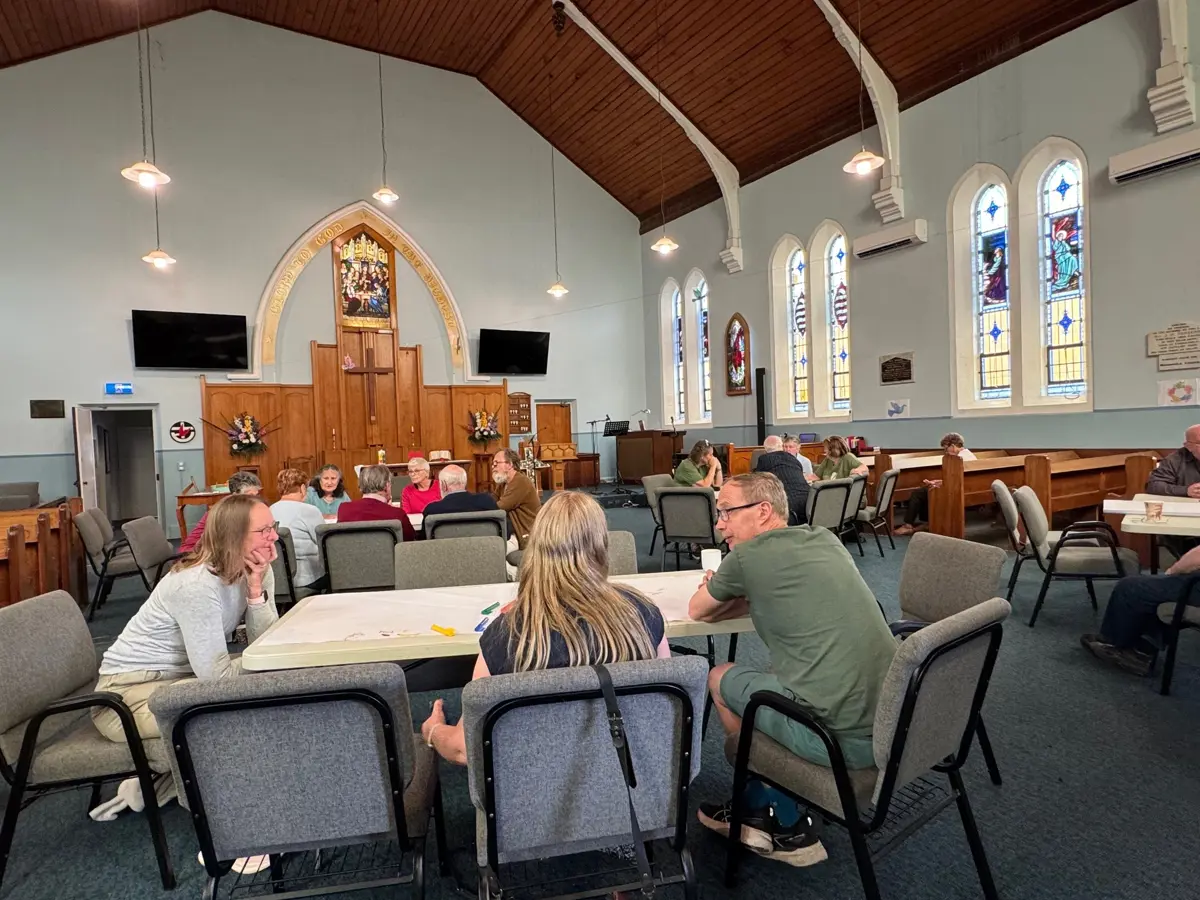
Cudgegong Cluster leaders looked at how mission and outreach might inform their calling a new ministry agent.
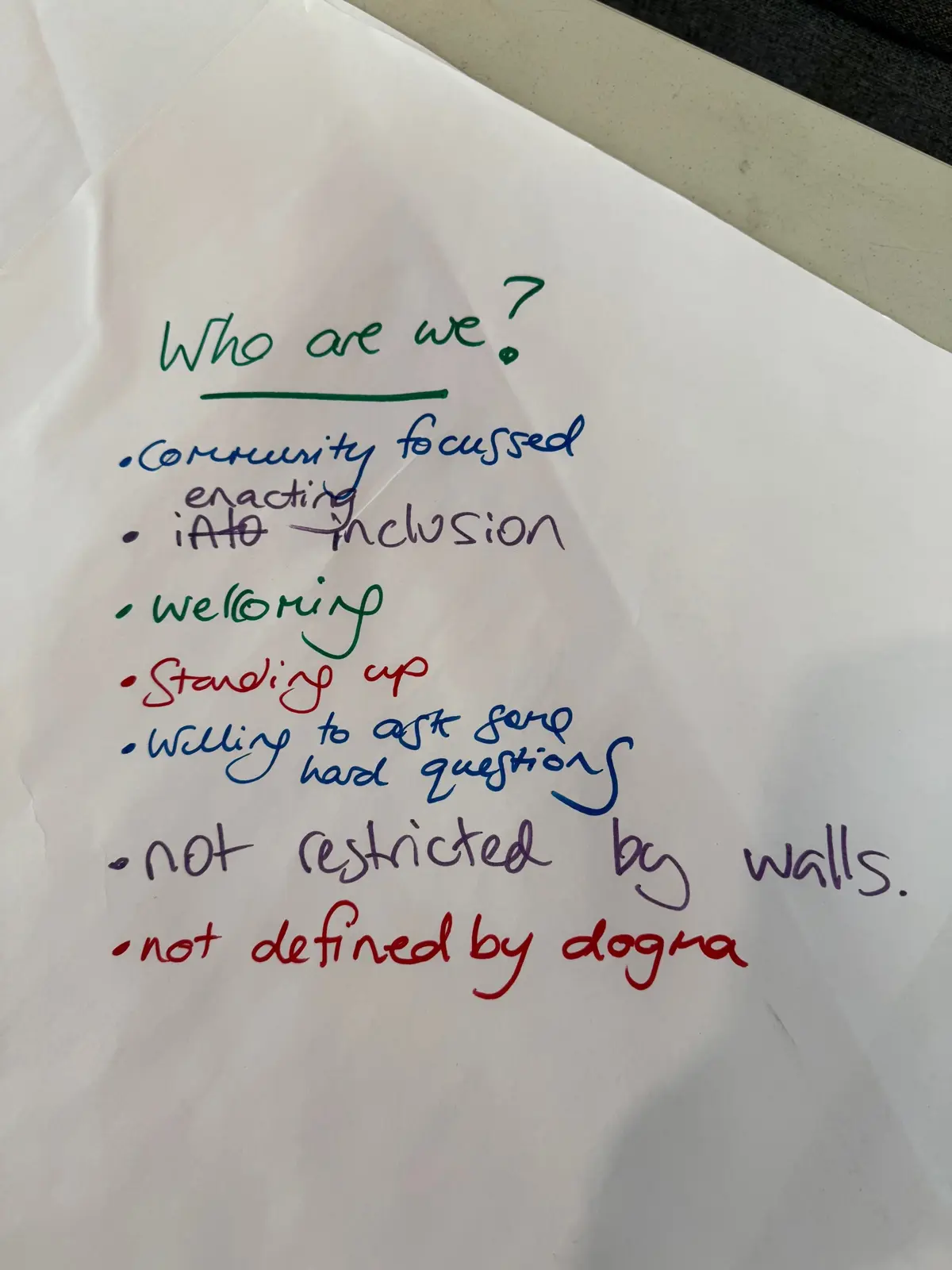
Identifying values and mission.
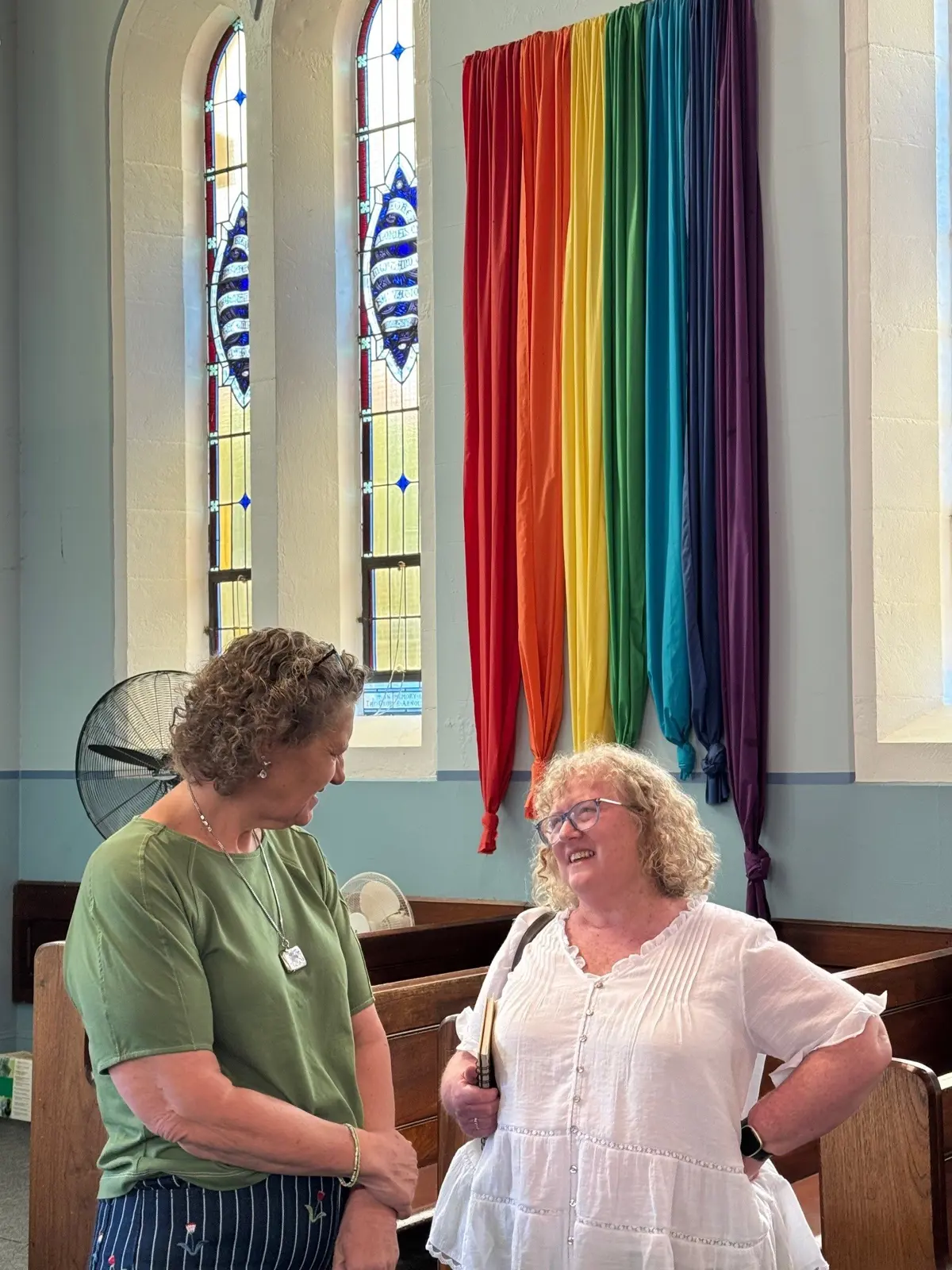
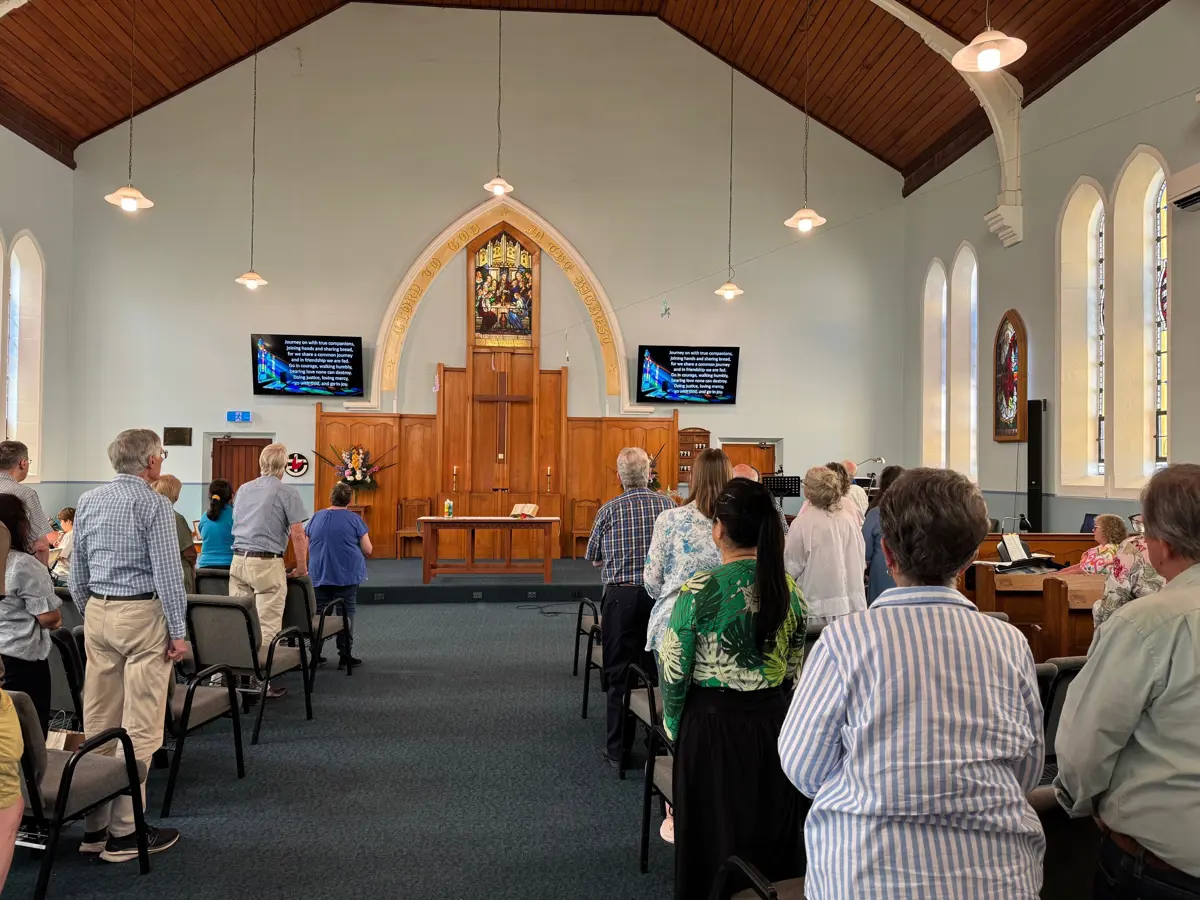
Sunday worship.
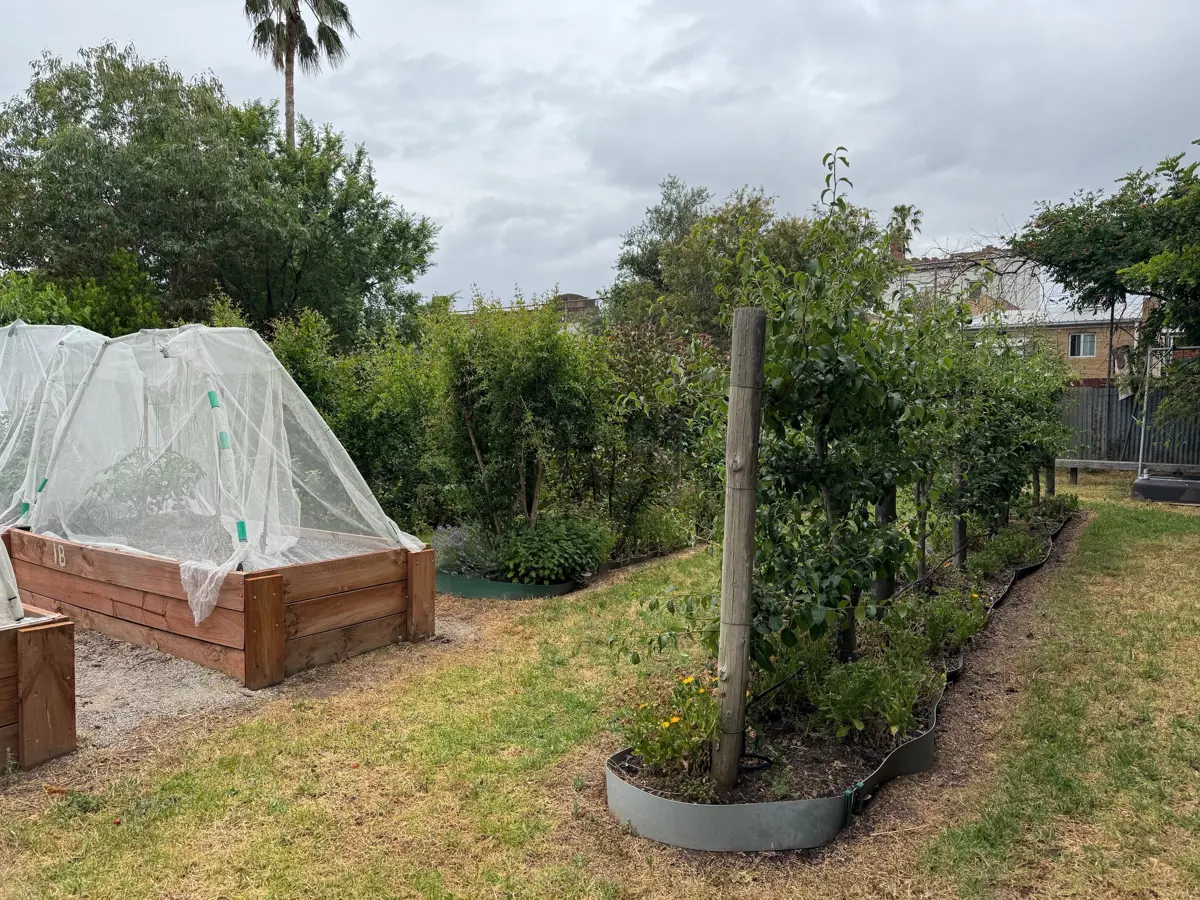
The Mudgee Uniting Church Community Garden.