From Foundations to the Future
In August 2025, Concord Uniting Church marks a remarkable milestone: 100 years of serving as a spiritual home and community hub. For a century, the church has witnessed the ebb and flow of life that has evolved alongside the diverse communities it serves.
In August 2025, Concord Uniting Church marks a remarkable milestone: 100 years of serving as a spiritual home and community hub. It has become a place of continuity for generations of families across Concord and beyond. For a century, the church has witnessed the ebb and flow of life: baptisms, weddings, funerals, and the quiet rhythm of weekly worship that has evolved alongside the diverse communities it serves.
Foundations and Family Legacies
The story of Concord Uniting Church is intertwined with the lives of families who dedicated decades of service. The Hill family’s multigenerational involvement reflects the deep roots some congregants have in the church’s history. Edna Hill attended the East Church from late 1947 until its closure in 1988. She served as a Sunday School teacher from 1947 to 1972 and was an active member of the Ladies Church Aid, holding Secretary and Treasurer roles. Her husband, Reg Hill, shared the responsibility of counting and banking weekly offerings with other members during the same period.
Dennis Hill attended Sunday School from 1947 to 1957 and went on to teach from 1958 to 1969, serving as Sunday School treasurer from 1962. He also participated in the church choir from time to time. Dennis’ daughter, Michelle Hill, was christened in 1972 and served as church organist three Sundays a month from 1984 to 1988. Their extended family, including Narelle Hill (nee Iversen) and the Quelch family, also maintained deep connections with Concord’s various Methodist congregations over the decades. As Narelle and Dennis reflected, “Funerals there, our grandparents and parents marked life’s milestones in this sacred space.”
Life in the Early Churches
Concord’s early churches namely Concord East Methodist at Wallace Street and Burwood Road, Wesley Methodist at Concord Road and Sydney Street, and Concord West Methodist at Wunda Road were not only places of worship; they were centers of community life. Laurice Jones, who came to Sydney in 1952 at age 13, remembered, “A typical Sunday would be Christian Endeavour at 10am, Church service 11am, Sunday School 2.30pm, evening service 7.15pm. There would usually be a Community Hymn Singing at 7pm first.”
Sunday School at Concord Wesley was vibrant, with between 100 and 150 children from kindergarten to teenagers. Laurice recalled sitting annual Sunday School examinations in catechism, and the Sunday School Anniversary celebrations spanning three services over the first two Sundays in November. “We would occupy the choir stalls and had learnt a lot of hymns for the occasion,” she said. She fondly remembered Mrs E. Kentwell, who maintained a Birthday Book with all children’s names, sending a Scripture-based card each year: “I still have one from 1960 (21st birthday) with the ploughshare on it (the picture of which is on the outside wall of the building attached to the Concord Wesley Church Hall).”
Community, Sport, and Music
Church life extended beyond Sunday worship. Laurice shared that church organisations included the Ladies Church Aid, Men’s Brotherhood, and the Methodist Girls Comrades. Sport was also central: “We had a Soccer team (affiliated with the Combined District Churches Federation), and the girls hockey team. I played in the hockey team until I was married. Val Steward was the captain.”
Music played a vital role in worship, with the Wesley Church Choir led by Mr Donald Pettigrew, and Mrs. Kentwell often singing solo sections. One memorable piece she recalled was ‘God So Loved the World’. Choirs, musical performances, and drama productions became fixtures in the church’s social life, weaving together faith, friendship, and community spirit. Vivian Hodgson, daughter of Laurice Jones who attended Concord Wesley as a child, reflected, “Concord Wesley also held a Church picnic every year…Valma Steward was always up for a game of cricket! It was a great way to foster community spirit coming together as a church family.”
Youth and Faith Formation
The Concord Uniting Church Youth Group, formed after the establishment of the Uniting Church in 1977, played a pivotal role in nurturing the next generation. Peter Hughes, reflecting on the first twenty years, wrote, “Bible studies and social activities on Saturday evening formed the core of the group’s activities. Faith and friendships were built to help each member face the ups and downs of life.”
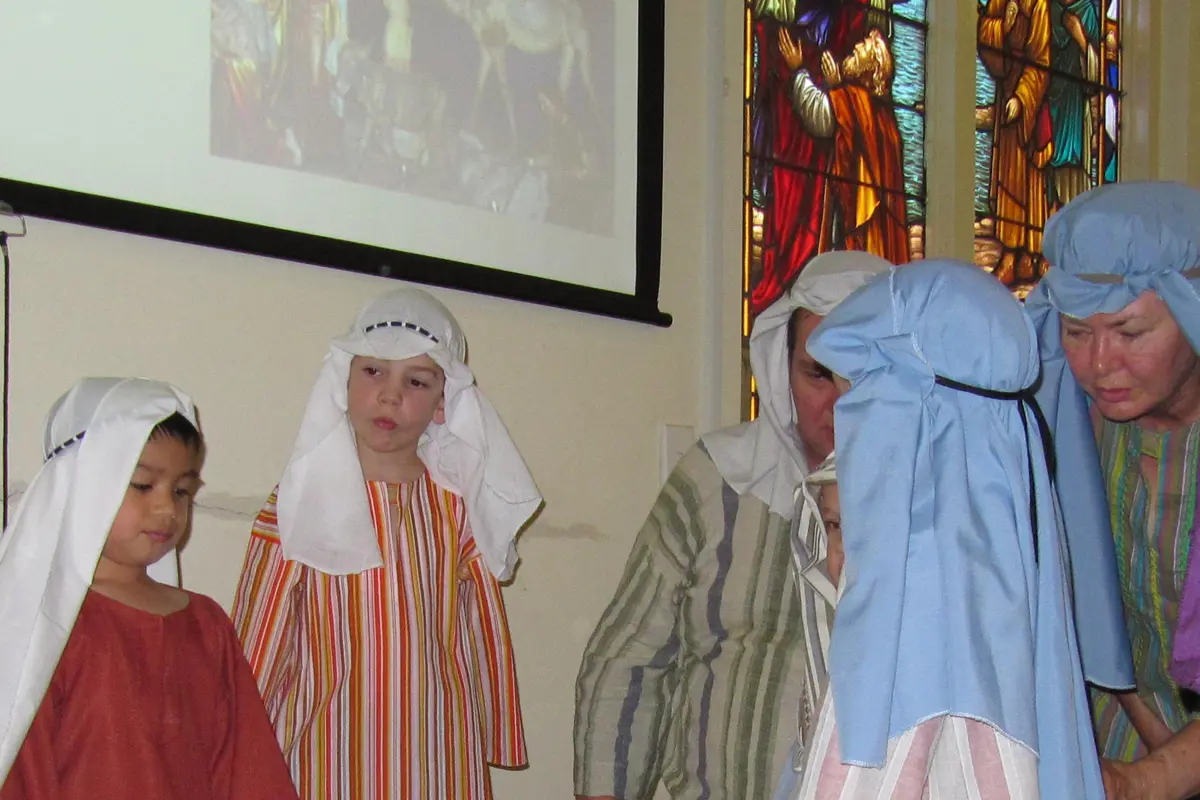
Youth engagement extended beyond the church walls, with the group participating in the Ashfield Uniting Church Exodus Mission, national Christian youth conventions, camps in Katoomba, and festivals such as Blackstump. Drama productions, including the nativity retelling “Stained Glass Window,” were staged locally and at Wesley Central Mission events. Hughes emphasised, “Friendships built at camps opened the way for many who moved from the Hunter to find a spiritual home when they came to Sydney.”
A Welcoming Home for New Communities
Concord Uniting Church has long embraced cultural diversity. The Korean congregation began worshipping at Concord in the early 2000s. Rev. Yangrae Son reflected, “We wouldn’t form a separate congregation, but they could become part of our church as a distinct worship group…It was a deeply meaningful experience, providing space for older Korean members to worship in their heart language, while encouraging the second generation to find their spiritual home in the broader church community.”
Similarly, In September 2016, the Tongan congregation, previously worshipping at Merrylands Uniting Church, joined Concord. Kasa described the experience: “From the very beginning, we felt embraced not just as guests, but as part of the church family.”
Mergers and Milestones
Over the decades, multiple Concord Methodist congregations merged. In 1990, steps were taken to combine Concord Wesley and East Concord with Concord West (including Rhodes and Central Concord). Laurice recounted, “East Concord was sold, and the Rhodes property was bought by the Coptic Church. Concord Wesley was acquired by the Cheil branch of the U.C.A. In 1991 the Concord Uniting Parish was established in the premises at Wunda Rd, Concord West.” These structural changes were pivotal in consolidating the church’s resources, fostering unity, and providing a stable home for worship and community activities.
Reflections and Continuity
As Concord Uniting Church reaches its centenary, reflections from congregants underline the enduring impact of faith, friendship, and shared service. Dennis Hill, who has continued to serve as an auditor for the past forty years, emphasised the sense of continuity: “The church has been a part of our family life for generations. It has seen our families grow and change, and yet remains a constant presence.”
Looking Forward
As the church lives out its 100th year, it continues to embrace diversity and foster community. From the Hill family’s multigenerational involvement to the Tongan and Korean congregations, and from vibrant youth groups to enduring musical traditions, Concord Uniting Church demonstrates how faith can unite people across generations, cultures, and backgrounds.
The centenary is not only a celebration of the past but a call to look forward building a community where faith, friendship, and service flourish. Concord Uniting Church stands as a testament to the power of continuity, inclusivity, and shared spiritual life, a place where the story of one hundred years is both cherished and continued.
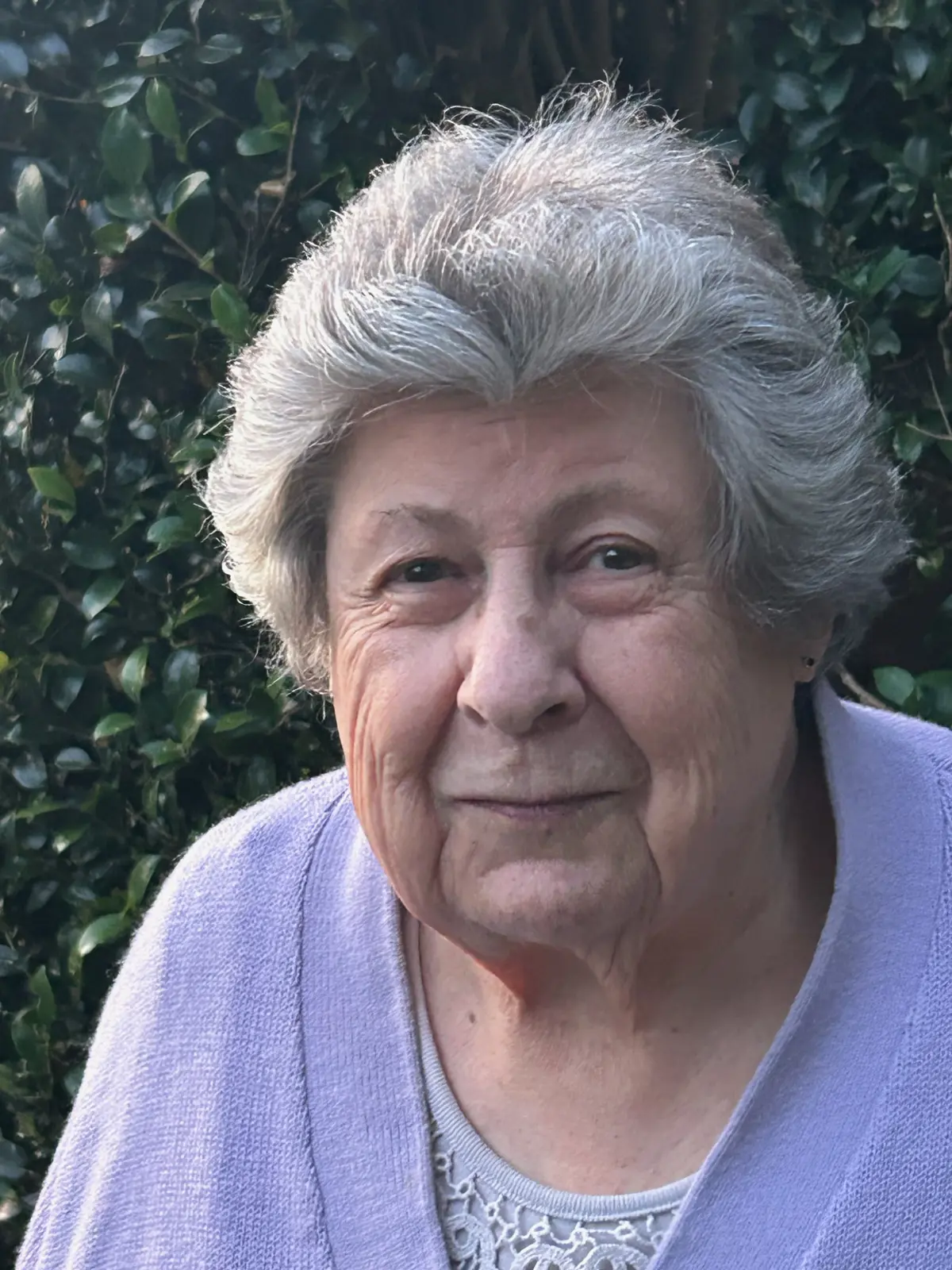
Laurice Jones
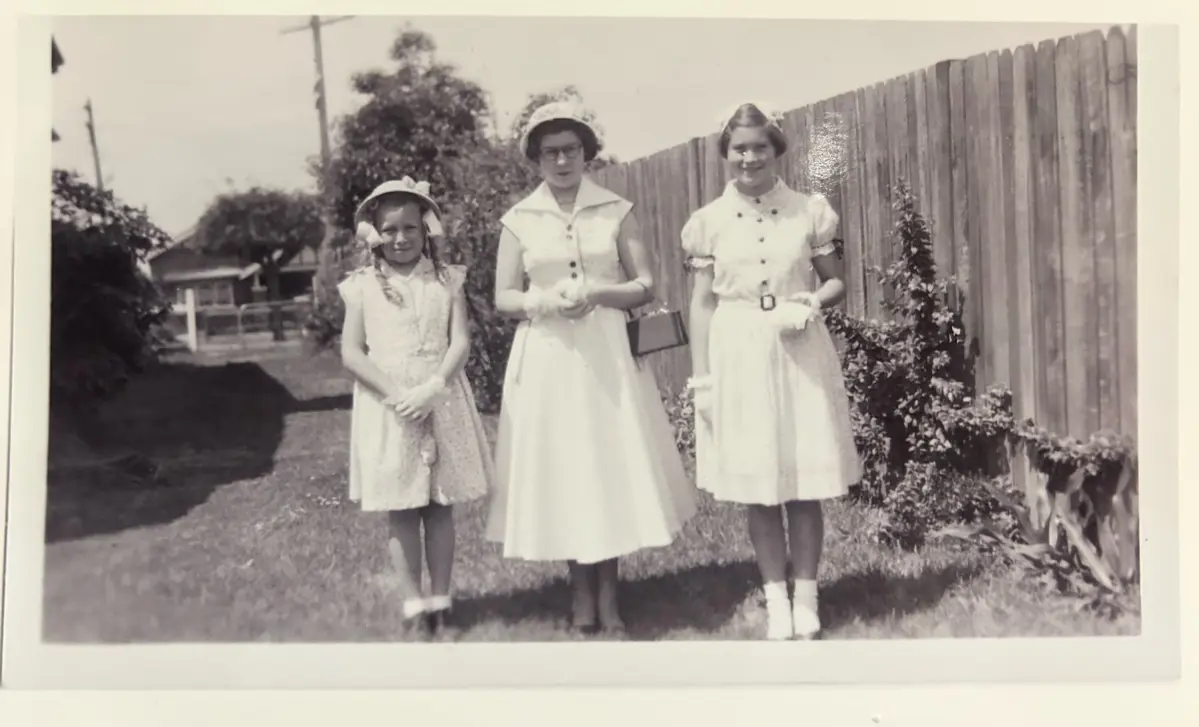
Laurice Jones (centre) with her two sisters, all dressed up for the Sunday School Anniversary, complete with new dresses, hats, and gloves.
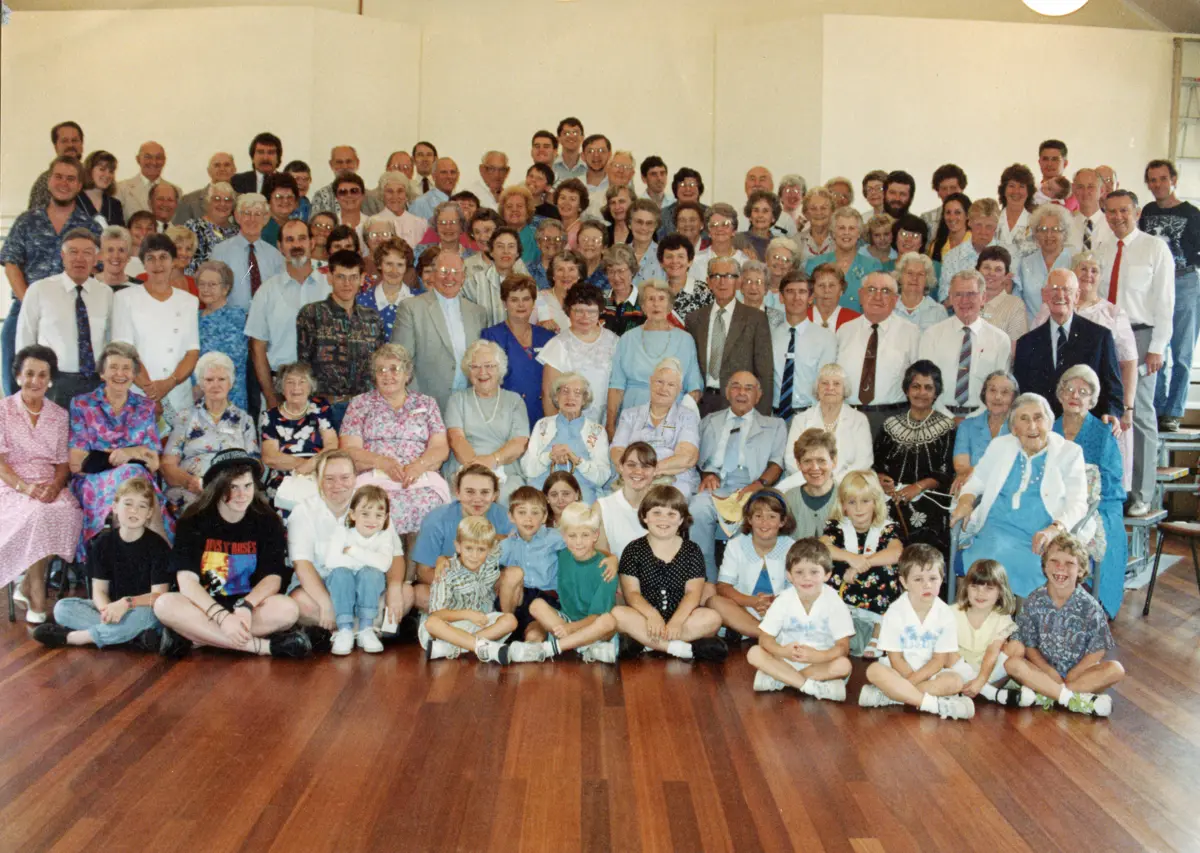
Opening service of the Congregation Uniting Church in 1991, following the amalgamation of five churches.
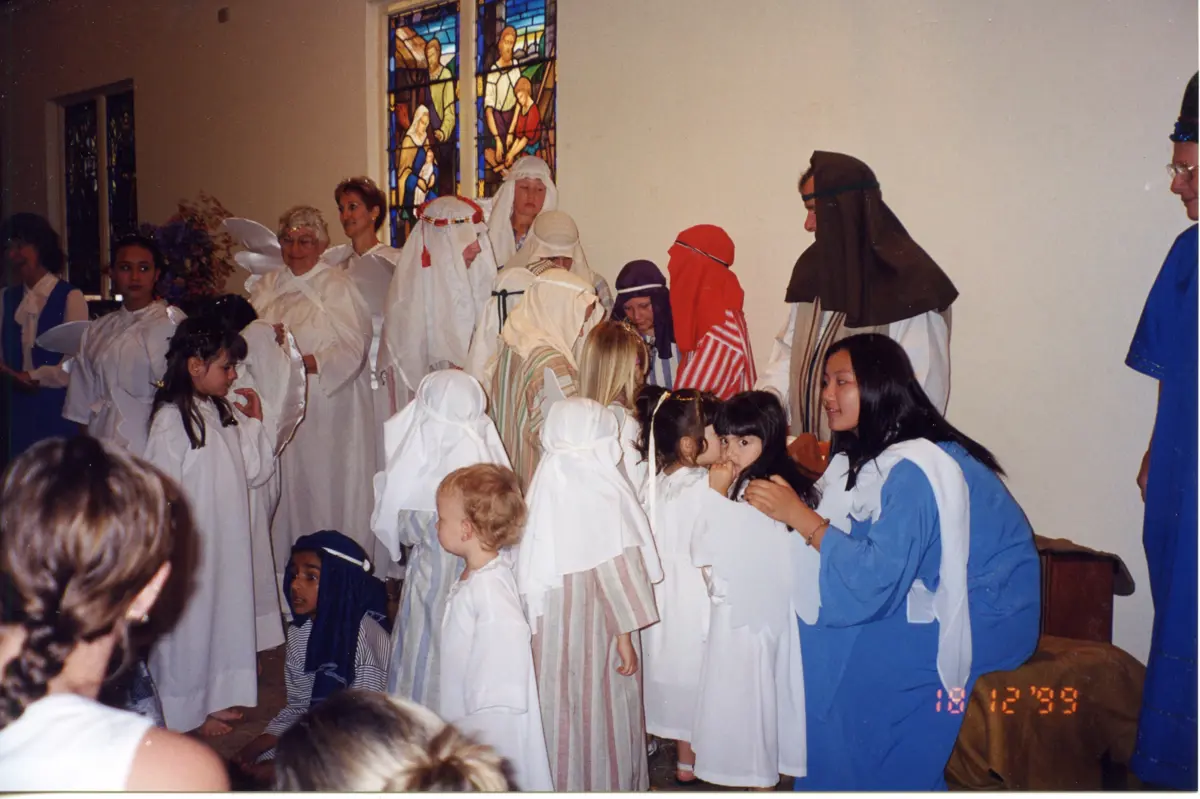
Sunday School Pageant 1999
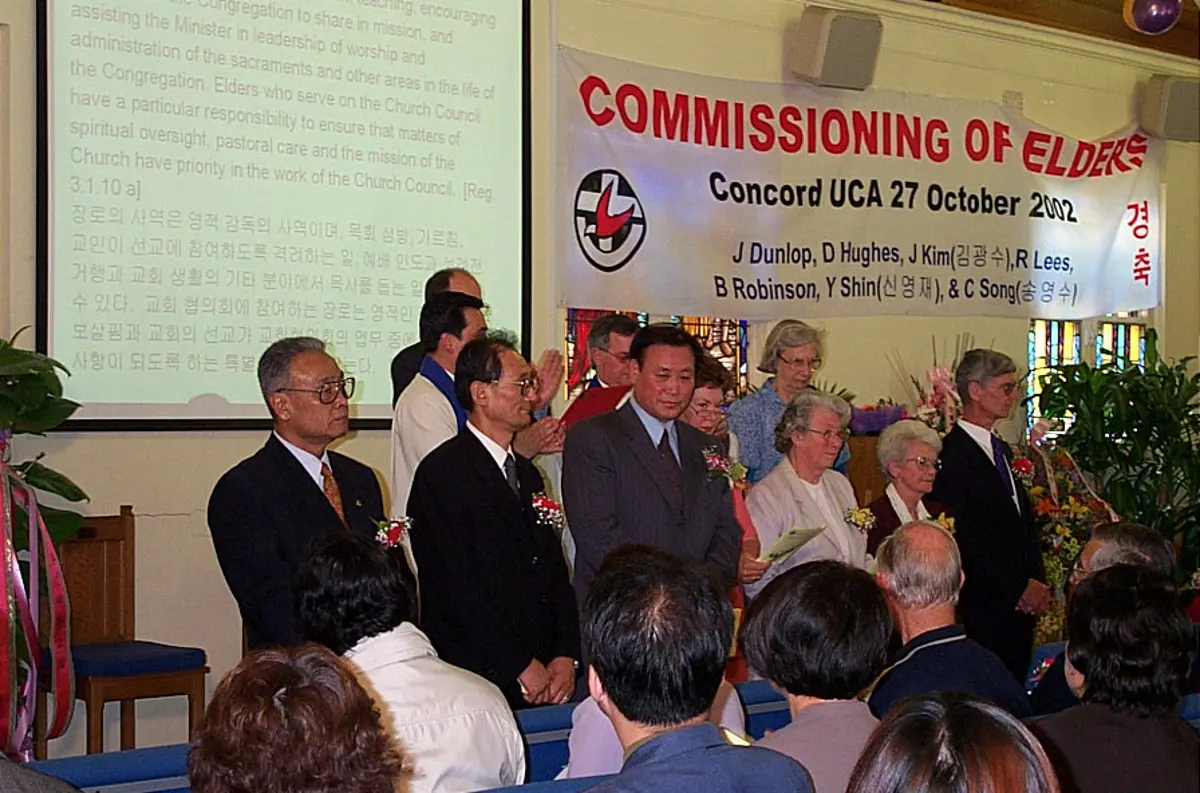
Commissioning of Elders, 2002
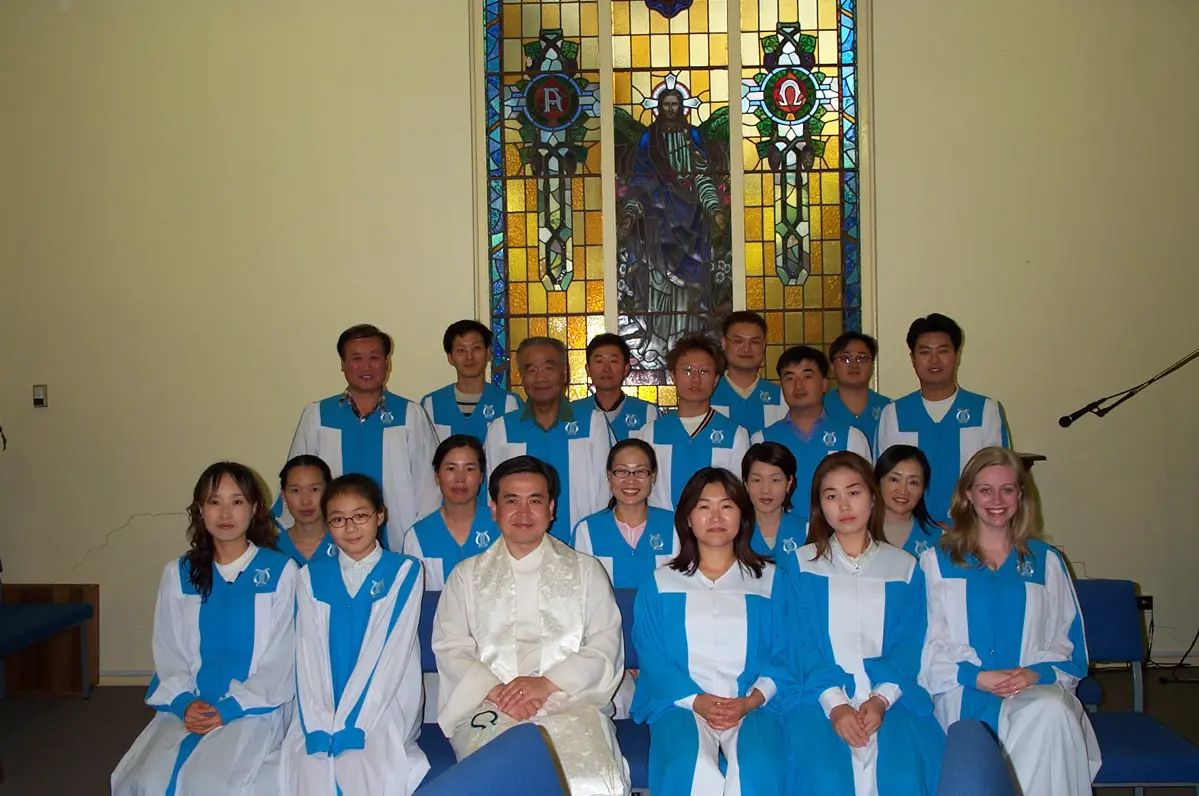
Induction of members from both Korean and European backgrounds in 2003 with Rev Yangrae Son.
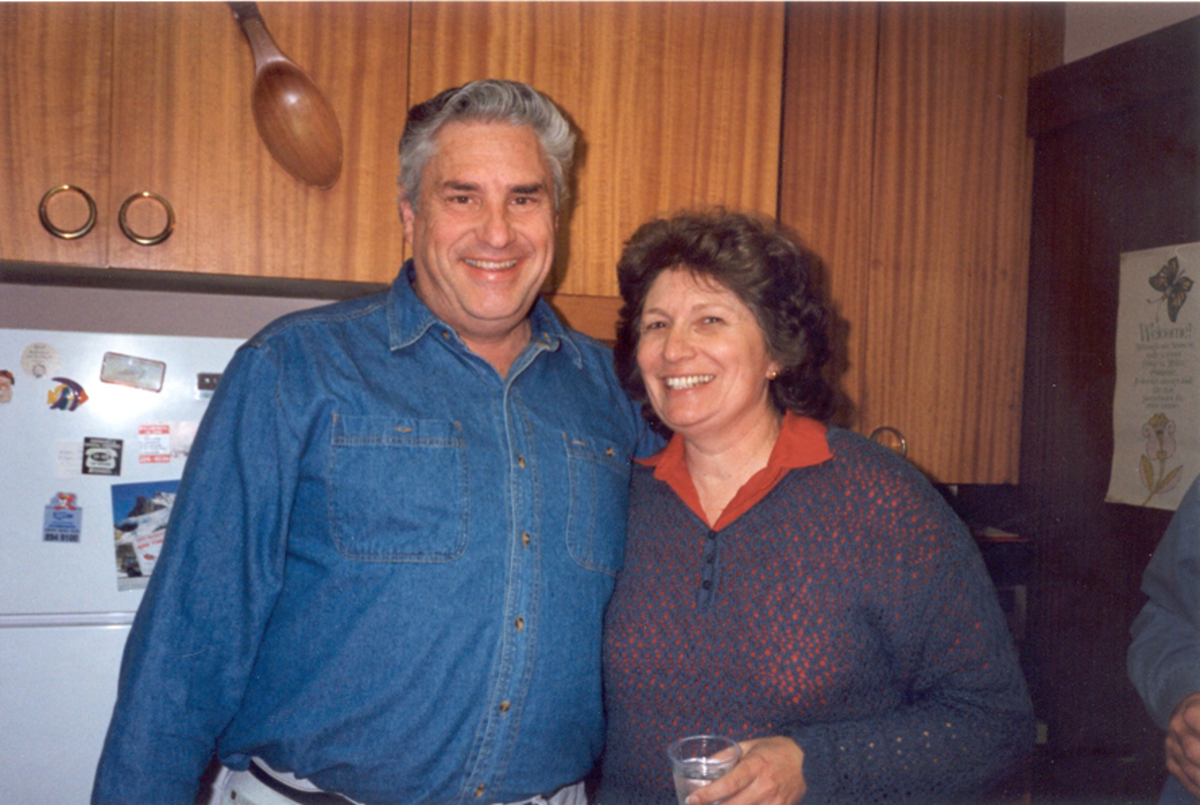
Dennis Hill and Family