Be-friending Across Borders
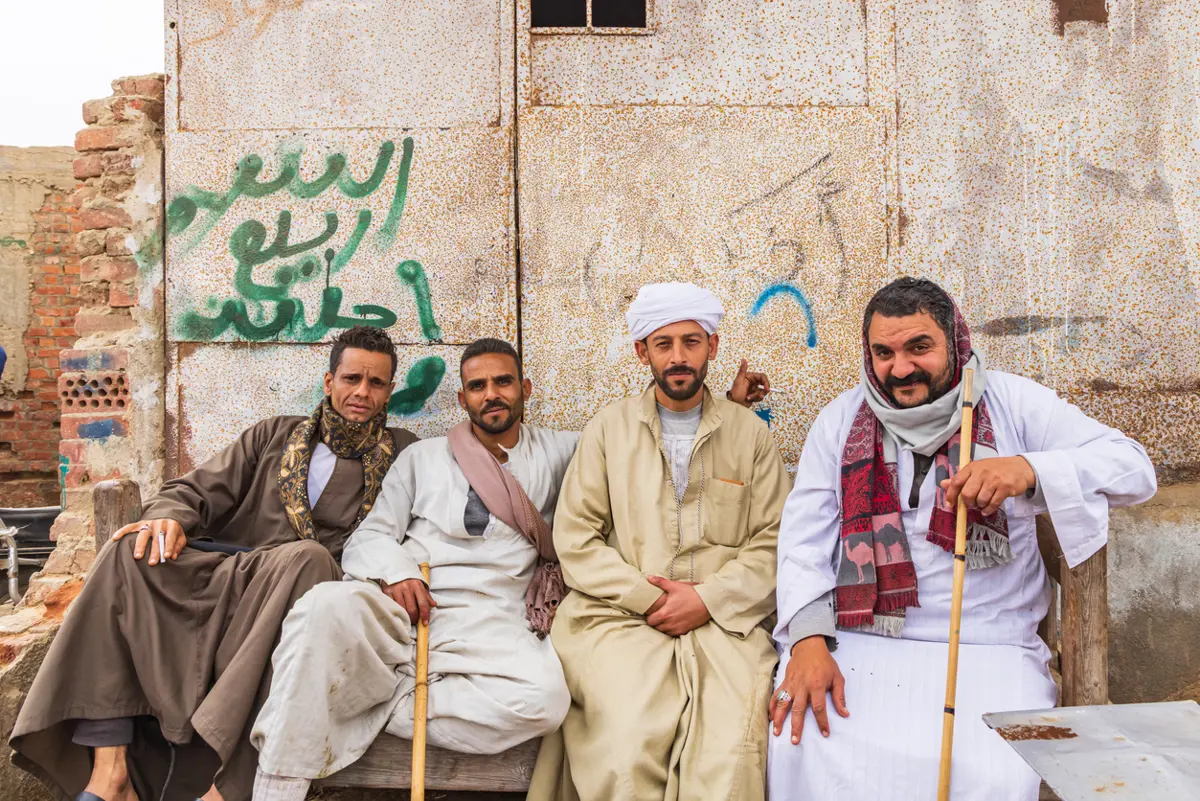
BeFriending is about nurturing relationships across borders, cultures, and histories. This reflection offers background to the Friends of the Middle East (FME), a network within our Synod committed to deepening connections with churches and communities across the Middle East.
Be-friending is about nurturing relationships across borders, cultures, and histories. This reflection offers background to the Friends of the Middle East (FME), a network within our Synod committed to deepening connections with churches and communities across the Middle East.
A little history – recent and past.
Some years ago representatives of the Assembly made a visit to Lebanon. They met many church leaders, a number of promises were made which have seemingly been difficult to realise.
The Assembly (2015) also made a commitment to acknowledge on an ongoing annual basis the Armenian Genocide of 110 years ago. At the time the Congregational, Methodist and Presbyterian Churches were heavily involved in supporting the Armenians through medical and food supplies, public rallies and lectures, and the establishment of a large orphanage just to the north of Beirut.
Friends of the Middle East (FME)
In the meantime several members of churches in this Synod had formed the Friends of the Middle East (FME) network. To put a few faces in place, their number includes: Gaby Kobrossi, Krikor Youmshajekian, Dean Drayton, Mary and Clive Pearson. The FME has also received considerable support from Moira Bryant (Camden Theological Library, North Parramatta) and Peter Walker (as Principal of UTC, now General Secretary).
The FME seeks to encourage closer relationships between our church and its equivalents in the region. It hopes that when the situation allows, then it might be possible to facilitate exposure visits. That would allow some of our people involved in various forms of ministry, lay and ordained, to get a window into biblical and church history in a way that is not normally possible for us. It would also allow us to experience what ecumenism means where other forms of the Christian tradition are stronger and in the presence of the Muslim other.
The FME is set to launch its website on 1 February 2026.
Why?
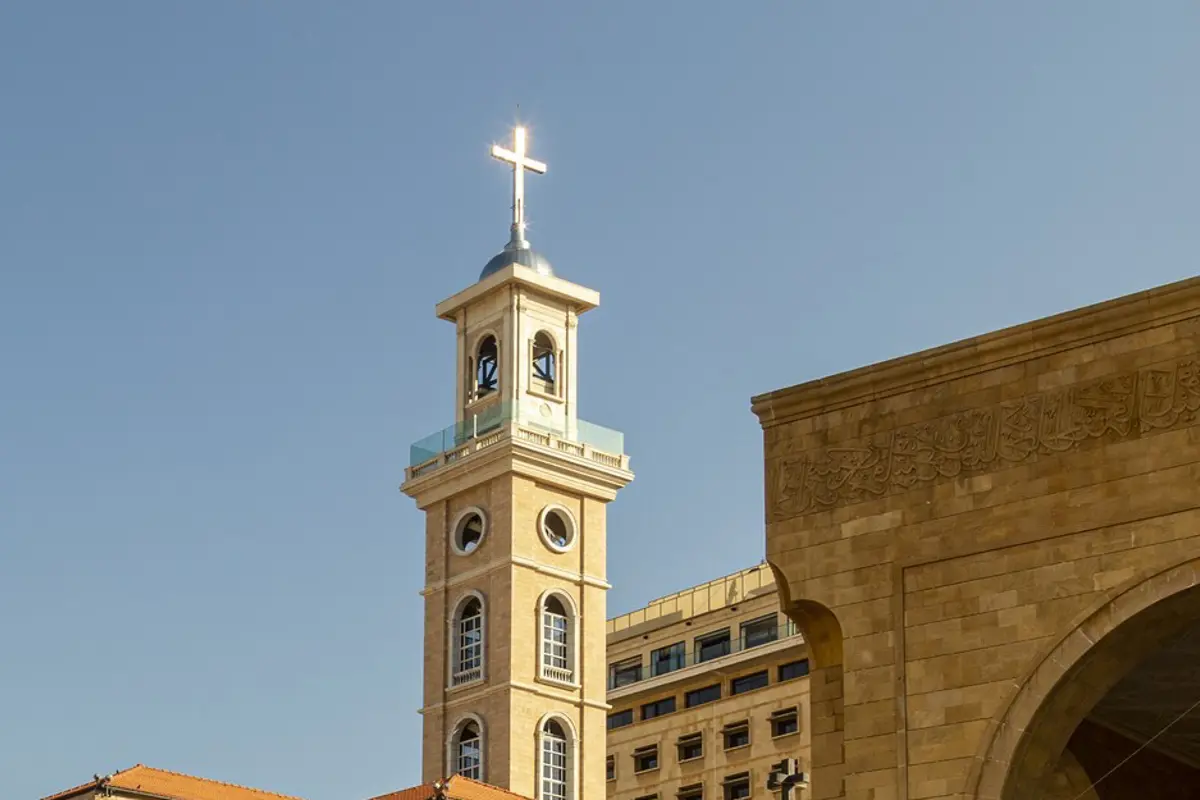
It is often not recognised here in Australia that a number of countries in the Middle East actually have significant Christian populations that go back long in time. Armenia, for instance, was the first nation in the world to declare itself Christian. It made that decision in 301, almost a quarter of a century before the first great council of the ecumenical church, Nicaea. What we know as Lebanon today is as much a part of the Holy Land as Israel / Palestine. The land of Lebanon is mentioned 71 times in the Bible. Jesus made his way through Tyre and Sidon.
Lebanese (originally described as ‘Syrian’) diaspora is one of the oldest in Australia. The first wave dates to the 1870s; there may have been individuals before then (even the First Fleet!). The first two of three waves were predominantly Christian. Other related denominations in Australia were quicker to establish links back to the Middle Eastern churches. Redfern was once called ‘Little Beirut’.
Today, many churches and theological institutions across the Middle East continue to live and work amid ongoing political instability, economic hardship and the long shadows of conflict. These pressures affect not only daily life, but also the ability of churches to sustain theological education, form leaders and serve their communities. It is within this present reality that relationships of solidarity, learning and practical support become both urgent and deeply meaningful.
Helping Out
One of the most important initiatives undertaken by FME to date has been the support given by the Camden Theological Library to the Near East School of Theology (a highly reputable ecumenical college) in Beirut. For several reasons including ongoing conflict, the need to restore windows and doors in the wake of the port explosion – Near East School of Theology (NEST) in Beirut has found it cannot purchase the books it requires for its library and courses. The Camden Theological Library at the Centre for Ministry has come to its assistance and has funded part of its access to on-line books.
Martin Accad is the President of NEST. He recently informed us that: The Digital Theological Library 2 (DTL2) has been a wonderful resource. Compared to what it would cost to get anywhere near equivalent resources in hard copies for our library, there is not even a conversation to be had!
Martin also commented, “We continue to be deeply grateful for all the support we get from friends all over the world. God is blessing the ministry of NEST and it is a joy to partner with many across the world in serving our region for the advancement of God’s Kingdom and presence through his church!”
How Might You Offer Support?
We would be grateful if you included the Near East School of Theology (NEST) in your prayers. You might also extend your prayers to include the churches and people in Armenia, Syria and Lebanon.
If you wish to be more practical (as well), then any donation, however small, is helpful in our desire to continue to support access to books for the students and staff at NEST – and the people they serve. It is a work, a gift, that is deeply appreciated.
If you would like to do so, then please contact library@nswact.uca.org and place the reference to NEST donation in the subject line of your email. Moira Bryant will then advise you how to make a Tax-deductible donation. It will be much appreciated and be of considerable service to our friends in churches in the Middle East.
We invite you to walk alongside our friends in the Middle East through prayer, learning and practical support. In be-friending one another across cultures and histories, we bear witness to a faith that is shared, resilient and deeply connected.